At Comercializadora Cumbres, sustainability begins at origin.
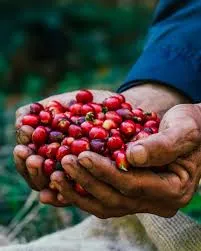
That is why regenerative coffee farming has become a key initiative within our production vision. This approach is transforming how we understand the production and export of Colombian coffee, creating a real impact from the ground up.
This model goes beyond reducing environmental impact. Its purpose is to restore soil balance, strengthen ecosystems, and ensure a cleaner and more efficient production aligned with global market expectations.
A Shift in the Way Coffee Is Cultivated
For decades, traditional agriculture has depended on synthetic fertilizers and chemical inputs to maintain productivity. However, these practices can weaken soil life, reduce biodiversity, and create long-term dependency.
Regenerative agriculture in coffee introduces a different approach, one based on understanding the ecosystem.
Instead of applying generalized products, farmers analyze what the plant truly needs. For example, if a coffee plant requires calcium, calcium is applied directly instead of using broad-spectrum fertilizers.
This precise nutrition strategy protects soil microbiology, prevents chemical accumulation, and supports balanced plant development.
Quality, Traceability, and Sustainability in the Supply Chain
Regenerative coffee farming also improves quality and transparency standards in the supply chain.
By implementing sustainable practices:
- Unnecessary interventions are reduced
- Soil balance is preserved
- Plant development becomes more efficient
- Bean quality becomes more consistent
The result is cleaner coffee, free from synthetic residues and with stronger traceability from farm to export.
For roasters and importers, this translates into greater consistency, full transparency, and alignment with global sustainability standards.
Healthy Soils, Resilient Coffee Farms
Healthy soil is the foundation of high-quality coffee.
Through regenerative coffee farming, soil structure is strengthened, water retention improves, and biodiversity increases within the ecosystem.
This creates farms that are more resilient to climate variability and reduces long-term risks.
Additionally, reducing chemical inputs lowers the environmental footprint and promotes a more responsible production model for farming communities.
A Commitment to the Future of Colombian Coffee
At Comercializadora Cumbres, quality begins in the soil.
Investing in regenerative coffee farming is a strategic decision that integrates sustainability, quality, and commercial responsibility.
It is not only about producing coffee, but about regenerating the origin and delivering a cleaner, more transparent Colombian coffee to the global market.
Because the true value of coffee is not only in the cup, but in the way it is cultivated.